

Flooring
Floors Built To Handle Daily Traffic
Flooring in San Diego for homes with worn surfaces and uneven subfloors
Cracked tile, worn carpet backing, and laminate planks that separate at seams all indicate that existing flooring has reached the end of its functional life. All Purpose Home Repair installs, repairs, and replaces floor surfaces in San Diego homes where subflooring issues, water damage, or years of wear require intervention. The condition of what sits beneath the visible surface determines how long new flooring performs, because no finish material tolerates movement, moisture, or unevenness in the substrate without showing distress within months.
The work includes removing old flooring down to the subfloor, correcting any deflection or damage in the structural layer, and installing new material according to manufacturer fastening and expansion requirements. Different materials respond differently to San Diego's low indoor humidity—solid hardwood may shrink and create gaps in winter when heating systems run, while engineered products and tile remain dimensionally stable across seasonal changes.
Arrange an on-site consultation to review subfloor conditions and material options suited to your rooms and usage patterns.
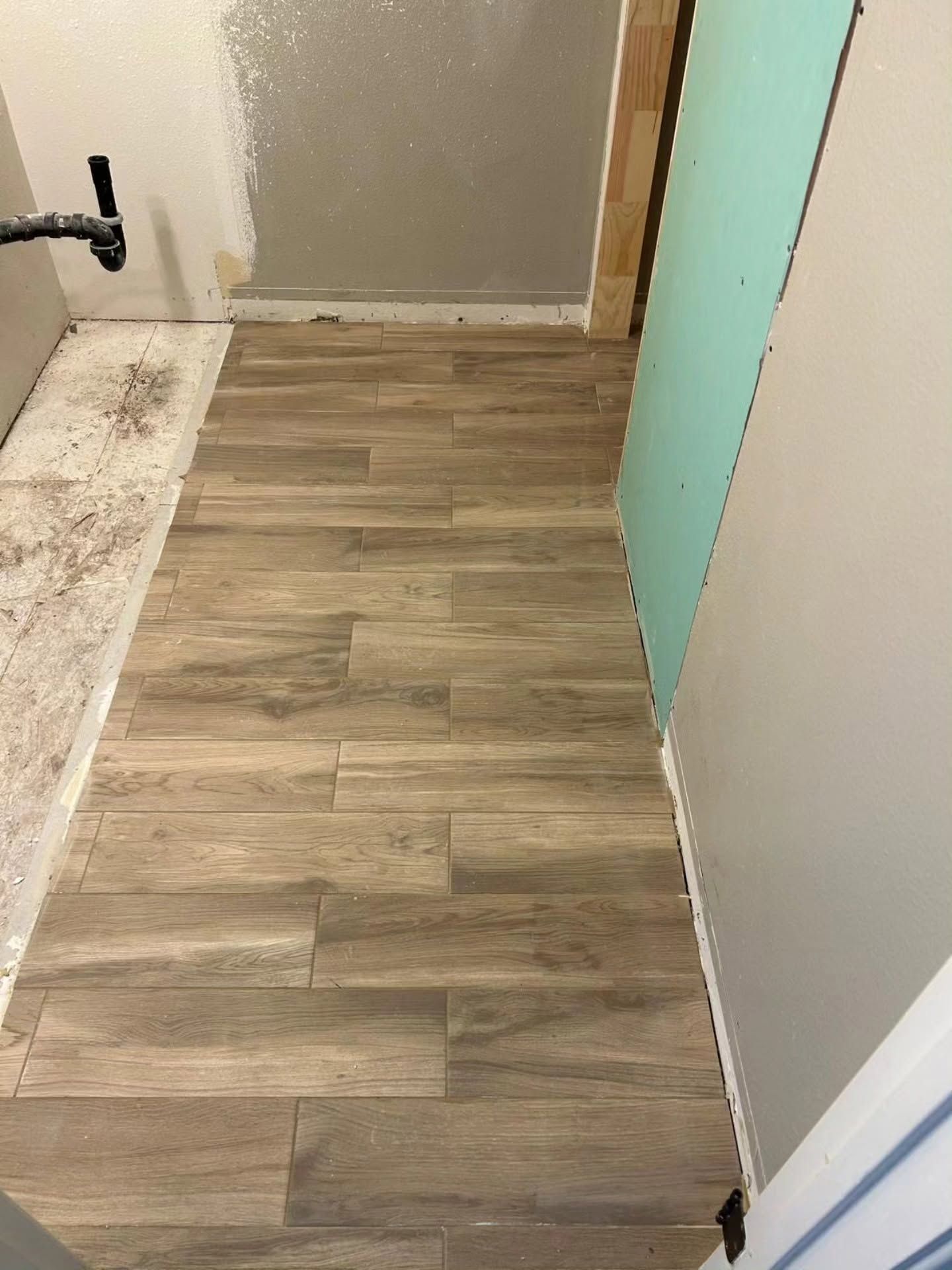
How Floor Installation Addresses Substrate Problems
Successful flooring installation starts with substrate evaluation, because deflection, moisture, and out-of-level conditions all transfer through to the finish floor and cause failure. You may notice squeaks, bounce, or visible waviness when walking across rooms—each symptom points to a specific issue in the subfloor that must be corrected before new material goes down.
Once installation is finished, floors feel solid underfoot without flex or noise, and seams between planks or tiles remain tight without gaps opening as humidity changes. Transitions between rooms are level and secure, and baseboards sit flush against the flooring without gaps that collect debris. In kitchens and bathrooms, properly installed flooring prevents water from reaching the subfloor through seams, which stops the rot and mold growth that develops when moisture is allowed to sit beneath impermeable surfaces.
The service includes removing and reinstalling baseboards, trimming door casings for clearance, and ensuring underlayment is appropriate for the material being installed. It does not include moving heavy furniture or appliances, repairing structural framing, or addressing plumbing leaks that may be contributing to subfloor damage—those issues require separate trades and must be resolved before flooring work begins.
Answers to Frequent Flooring Questions
Property owners in San Diego often want to understand material selection, subfloor requirements, and how to spot installation quality before the project is finished.
What subfloor conditions prevent new flooring from being installed?
Excessive deflection that exceeds manufacturer specifications, moisture levels above acceptable thresholds, and out-of-level areas greater than the allowable tolerance all require correction before any finish flooring is laid.
How do I choose between solid hardwood and engineered flooring?
Solid hardwood offers refinishing potential but moves more with humidity changes, while engineered products remain stable in varied conditions and work over concrete slabs where solid wood cannot be nailed.
What causes gaps to open between floor planks after installation?
Insufficient acclimation of wood products before installation, lack of expansion space at walls, or indoor humidity dropping below the level present during installation all result in shrinkage that creates visible gaps.
When should existing flooring be repaired instead of replaced?
If damage is localized to a few planks or tiles, if the subfloor is sound, and if matching material is available, repair costs less and avoids the disruption of full removal and reinstallation.
What affects flooring installation timelines in San Diego homes?
Material acclimation requirements, subfloor repair scope, and the need to sequence work around furniture removal all influence how long the project takes from start to completion.
All Purpose Home Repair handles substrate preparation, material selection, and installation with attention to the manufacturer standards that determine long-term performance. Request a property assessment to identify any subfloor issues and discuss material options for your specific rooms and budget.