

Patio Construction
Outdoor Spaces Built for Daily Use
Patio Construction in San Diego for properties needing functional outdoor areas that handle year-round exposure
All Purpose Home Repair builds custom patios in San Diego designed to withstand the region's specific climate conditions, including intense UV exposure, occasional heavy rain, and coastal moisture that accelerates material breakdown. You'll work with a team that evaluates your property's drainage patterns, sun exposure throughout the day, and how the existing landscape affects foundation stability before breaking ground. Southern California's dry soil and temperature swings require specific base preparation to prevent cracking and settling that typically show up within the first two years of poor installation.
This service involves excavation to proper depth, compacted base installation that accounts for your soil type, and material selection based on how you'll actually use the space—whether that's supporting outdoor furniture, accommodating foot traffic patterns, or handling water runoff during winter storms. The construction process addresses slope requirements to direct water away from your home's foundation, a critical consideration in San Diego neighborhoods where hardscaping changes can redirect runoff onto neighboring properties or back toward structures.
Schedule a property evaluation to review your outdoor space layout and discuss material options suited to your usage requirements.
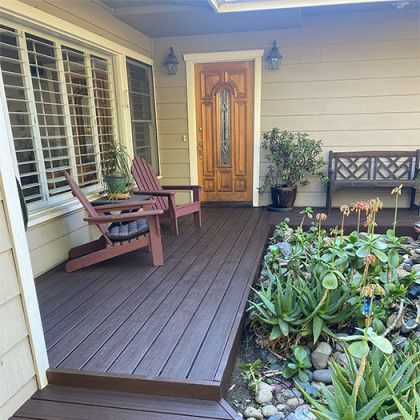
What Proper Patio Construction Requires
Your patio foundation begins with excavation that removes unstable soil and organic material that decompose over time, followed by a compacted aggregate base installed in layers to prevent the uneven settling that creates trip hazards and standing water. Material selection depends on whether you prioritize heat reflection, slip resistance when wet, or compatibility with existing hardscaping—factors that affect both safety and comfort during San Diego's dry summers and brief rainy seasons.
Once construction finishes, you'll notice the patio surface remains level during seasonal ground movement, water flows toward designated drainage points instead of pooling near your home, and the completed area integrates with your landscape rather than appearing as an isolated slab. All Purpose Home Repair ensures the finished grade directs moisture appropriately while maintaining accessibility between your indoor spaces and the new outdoor area.
The project includes edge restraints to prevent material migration, joint placement that accommodates thermal expansion without cracking, and surface finishing appropriate for your selected material. Additional considerations include whether existing utilities run beneath the planned area, how shade patterns affect temperature and usability, and whether local regulations require permits for hardscaping that exceeds specific square footage thresholds.
What Property Owners Usually Ask
Questions about patio construction often focus on how the work integrates with existing conditions and what you'll actually see once the project completes.
What preparation happens before laying patio materials?
The area gets excavated to remove topsoil and unstable material, then filled with compacted aggregate base installed in lifts that each get tamped separately to prevent future settling that creates low spots where water collects.
How does San Diego's climate affect patio material selection?
Intense sun exposure fades certain pavers and makes dark surfaces uncomfortably hot to walk on barefoot, while winter rains require slip-resistant finishes and proper slope to prevent water from pooling or flowing back toward your foundation.
What determines whether a patio needs drainage features?
The amount of impermeable surface area you're adding, your property's existing slope, soil composition, and proximity to structures all factor into whether you need integrated drains, French drains along edges, or specific grading to manage runoff during storms.
When should patio construction be scheduled?
Dry months provide ideal conditions since moisture affects base compaction and material installation, though scheduling depends more on your timeline and whether ground conditions currently allow proper excavation depth without encountering saturated soil.
What separates a patio that lasts from one that fails early?
Proper base depth and compaction prevent settling, correctly spaced control joints accommodate expansion without random cracking, and edge restraints keep materials from shifting outward under foot traffic and temperature cycling.
All Purpose Home Repair addresses the structural and drainage requirements that determine whether your patio remains functional through decades of use and weather exposure. Request a detailed estimate based on your property's specific conditions and the outdoor space you want to create.